
Table of Contents
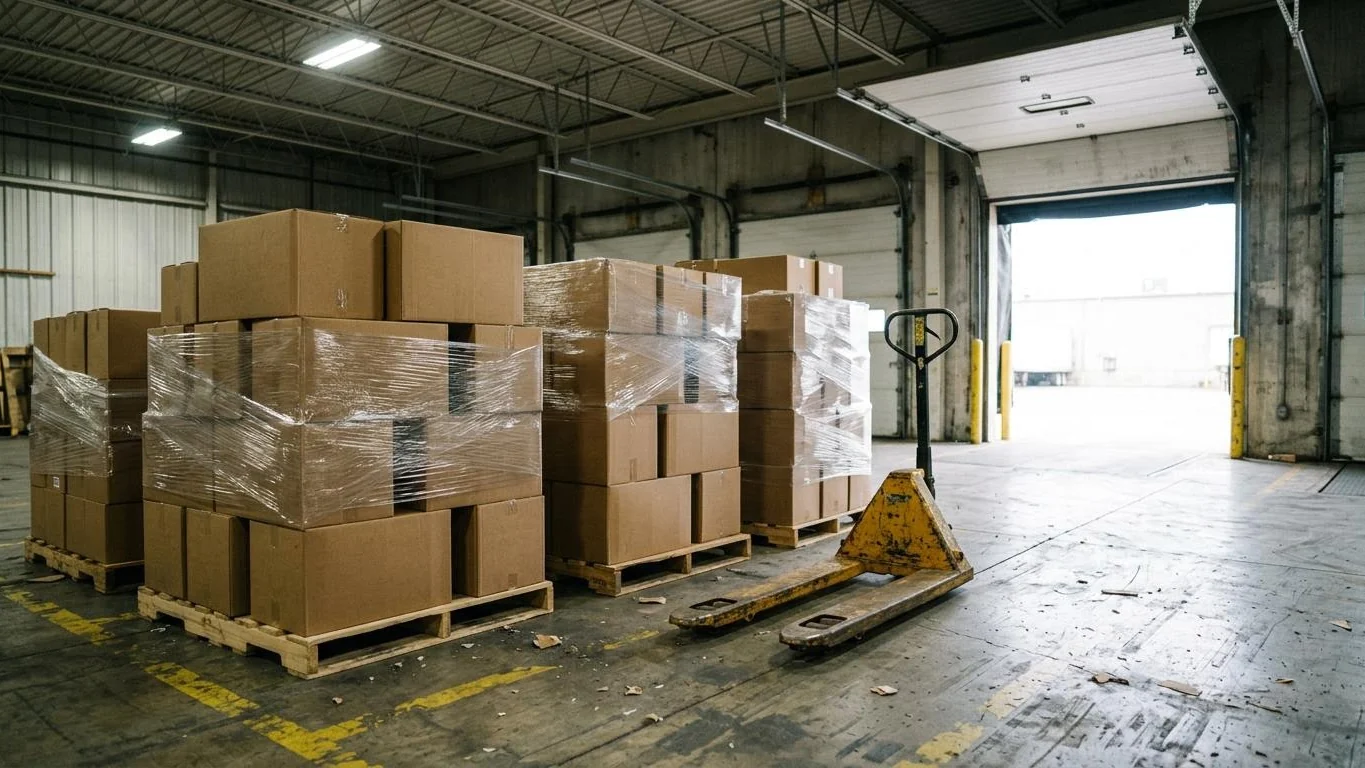
A lumper fee is the charge for having your trailer unloaded at the dock by a lumper, a worker who unloads freight at the warehouse, often from a third-party service. The driver often pays it on the spot to get unloaded. Federal law puts the cost somewhere else: under 49 U.S.C. 14103, a shipper or receiver that requires the help has to either provide it or compensate the truck’s owner or operator for all the costs of securing and paying the helpers. So the carrier shouldn’t end up carrying the lumper fee.
Whether you do carry it depends on what happens after the trailer is empty. A lumper fee paid at the dock comes back to you only when the paperwork is right, and the receipt matters again at tax time. Lumper money that never comes back is a real cost, and it belongs in your numbers. This article follows the money from the dock to your tax return, for an owner operator who books his own loads.
What Is a Lumper?
A lumper is a worker who unloads freight at a warehouse, often from a third-party lumper service. Lumper services are common at high-volume food warehouses (Relay Payments, December 12, 2022).
Who Pays Lumper Fees Under Federal Law
The federal rule sits in 49 U.S.C. 14103, in effect since January 1, 1996. It has 2 parts:
- Subsection (a): when a shipper or receiver requires that the truck’s owner or operator be assisted in loading or unloading, the shipper or receiver must either provide that help or compensate the owner or operator for all costs of securing and paying the helpers.
- Subsection (b): it is unlawful to coerce, or attempt to coerce, a for-hire interstate motor carrier into loading or unloading the freight, or into employing or paying others to do it. The subsection carves out activity that is lawful under the National Labor Relations Act and the Norris-LaGuardia Act.
The law decides who carries the cost. It doesn’t decide who hands over the money at the dock. In practice the driver typically pays the lumper on site, and the fee is reimbursable to the driver by the carrier or broker (Relay Payments, December 12, 2022). On a brokered load, the money usually comes back to you through the broker, which is why the rest of this article is about the broker and the paperwork.
How Much Is a Lumper Fee?
Relay Payments, a lumper payment company, puts lumper fees at $25 to $500 (December 12, 2022). That’s 1 company’s range, not an industry survey. It says the fee depends on:
- the freight;
- the volume;
- the time of day;
- extra services such as palletizing;
- the lumper service’s contract with the facility.
The broker often doesn’t know the lumper cost ahead of time, or doesn’t say. So the useful question before you accept the load is how the fee will be paid at the dock, since you may not get the amount until you’re backed in.
If you are working through these decisions, the full factoring series is available below:
How the Money Moves at the Dock

The best case: the broker covers it with an Express Code
When we were dispatching, the best case on a lumper load was the broker covering the fee at the dock, usually with a Comchek or EFS Express Code, a payment code the broker issues so the lumper gets paid without your money. You don’t front anything, and there’s nothing to chase later.
Ask for the code ahead of time, at booking or before you reach the receiver. Unloading can fall after the broker’s office closes, and then nobody is there to send it, which leaves you with the fallback below.
The fallback: you pay, then get reimbursed
When the broker can’t be reached or won’t cover it on the spot, the carrier pays to get unloaded, with its own money or card, or with a cash advance, and requests reimbursement afterward. Treat it as the fallback. Every lumper fee you front sits in the same wait as the load money itself, on top of the fuel and bills that are due in the meantime, which is the same squeeze covered in why owner operators run out of cash.
Get the receipt right
The receipt is what turns the money you paid into money you get back. Get a receipt that shows:
- the facility;
- the date;
- the amount;
- how it was paid.
Take a photo of it before you pull away from the dock. Without a receipt, the broker has grounds to deny the reimbursement. Paper receipts are also slow to process, and in the worst case poor reconciliation means the driver is never reimbursed at all (Relay Payments, December 12, 2022).

Send it with the load paperwork
Send the receipt with the delivery paperwork and the invoice, so the lumper fee is on the same bill as the load. The reimbursement usually comes with the load payment. That means it arrives on the broker’s payment schedule, so plan for it the way you plan for the rest of the invoice; the cash flow section of our guide on starting a trucking business walks through that wait.
Lumper Fees at Tax Time
When you pay a lumper and get reimbursed, the reimbursement comes in with the load money, and it counts as business income. The IRS says a business must report all income it receives from the business (IRS Publication 334, for 2025 returns).
The other side of that entry is the lumper payment itself. Record it and keep its receipt, so your CPA can match it against the reimbursement that came in. Carriers who skip this end up paying tax on money that was never profit: the reimbursement shows up as income, and nothing on the books shows the cash that went out at the dock.
Publication 334 also sets the general test for a business expense: it’s deductible when it’s both ordinary (common and accepted in your field) and necessary (helpful and appropriate for your business). How your lumper payments and reimbursements are recorded is a question for your bookkeeping, so check with your CPA.
Counting the Lumper Money That Never Comes Back
A reimbursed lumper fee isn’t a cost to the carrier. It goes out and comes back. The lumper money that never comes back is different: a missing receipt, a denied claim, a fee nobody covered. That money is a real cost, and it belongs in your true cost per mile like fuel or tolls.
The Trucking Super Calc app has a line for it on the Road & Admin page, labeled lumpers (unreimbursed). Only the unreimbursed money goes there. Putting every lumper fee in that line would count reimbursed money as a cost and push your break-even higher than it really is.
If this is the kind of operational detail you want more of, the 16-video factoring series goes deeper:
Frequently Asked Questions
Who pays lumper fees?
Under 49 U.S.C. 14103(a), a shipper or receiver that requires the truck’s owner or operator to be assisted in loading or unloading must either provide that help or compensate the owner or operator for all costs of securing and paying the helpers. So the cost belongs to the shipper or receiver that requires the help. At the dock, the driver typically pays the lumper on site, and the fee is reimbursable to the driver by the carrier or broker. On a brokered load, the best case is the broker covering the fee at the dock with a Comchek or EFS Express Code. When that doesn’t happen, the carrier pays and requests reimbursement with the load paperwork.
How much is a lumper fee?
Relay Payments, a lumper payment company, puts lumper fees at $25 to $500 (December 12, 2022). That’s 1 company’s range, not an industry survey. It says the fee depends on the freight, the volume, the time of day, extra services such as palletizing, and the lumper service’s contract with the facility. The broker often doesn’t know the lumper cost ahead of time, or doesn’t say, so you may not learn the exact amount until you’re at the dock. Ask how the fee will be paid before you accept the load, and ask for the Express Code ahead of time.
Are lumper fees reimbursable?
Yes. The driver typically pays the lumper on site, and the fee is reimbursable to the driver by the carrier or broker. The reimbursement usually comes with the load payment, once you send the lumper receipt with the delivery paperwork and the invoice. The receipt is what makes it work: without one, the broker has grounds to deny the reimbursement, and paper receipts that are slow to process can leave a driver never reimbursed. Keep a photo of every receipt. When the reimbursement does come in, it counts as business income, so record the lumper payment too and check with your CPA.
What goes on a lumper receipt?
The receipt should show the facility, the date, the amount and how the fee was paid. Those details tie the payment to 1 load at 1 dock, and without a receipt the broker has grounds to deny the reimbursement. Take a photo of the receipt before you leave the dock, and send it with the delivery paperwork and the invoice so the lumper fee rides on the same bill as the load. Keep the original and the photo afterward as well. Your CPA uses the record of the payment to match it against the reimbursement that comes in as business income.
Can a receiver make the driver pay for unloading?
49 U.S.C. 14103(b) makes it unlawful to coerce, or attempt to coerce, a for-hire interstate motor carrier into loading or unloading the freight, or into employing or paying others to do it, with an exception for activity lawful under the National Labor Relations Act and the Norris-LaGuardia Act. Subsection (a) adds that a receiver requiring unloading help must provide it or compensate the owner or operator for its costs. In practice, drivers still often pay at the dock and get reimbursed afterward. For a dispute on a specific load, a transportation attorney can tell you how the law applies.
Separate from this, if you factor your invoices or you’re about to, my free 16-video series walks through the real costs and the traps:
Putting It Together
Federal law puts the lumper fee on the shipper or receiver that requires the help, and the carrier’s job is to make sure it ends up there. Get the Express Code from the broker before the office closes. If you pay at the dock instead, get a receipt with the facility, date, amount and payment method, send it with the invoice, and record the payment so your CPA can match it against the reimbursement. Whatever still never comes back is a real cost, and it goes into your numbers as unreimbursed lumper money.




Leave A Comment